
How to Authenticate a Valsuani Bronze: Stamps, Signatures, and Documentary Evidence
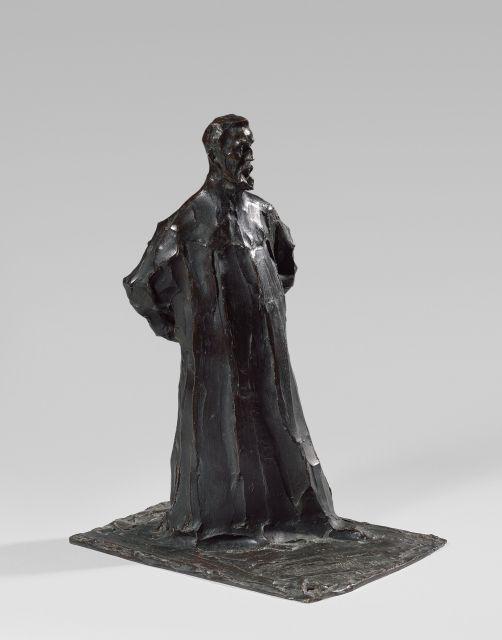
The Valsuani foundry produced some of the finest lost-wax bronzes in history, casting works for artists including Degas, Bugatti, and Pompon. Today, these bronzes command significant prices at auction, which makes authentication a critical concern for collectors, dealers, and museums.
But authentication requires more than comparing stamps. It requires understanding the full context: who ran the foundry, when, and how their practices evolved over decades. As our research into who actually founded the Valsuani foundry demonstrates, even basic biographical facts have been widely misattributed.
Reading the Marks
Valsuani bronzes carry distinctive stamps and signatures that evolved across different periods. Understanding these marks requires knowledge of the foundry’s timeline, from its establishment by Claude Valsuani through to Marcel’s continuation of the legacy.
Key authentication evidence types include:
- Birth certificate evidence establishing family relationships
- Passport records, including the crucial inscription “Figlio di Carlo” (Son of Carlo)
- Business documents establishing foundry operations and dates
- Death certificates that clarify the timeline
- Contemporary newspaper articles providing independent corroboration
The Technical Process
Understanding the Valsuani casting method is essential for authentication. The lost-wax (cire perdue) technique leaves specific material traces that experts can analyze. Valsuani’s particular mastery of this method produced bronzes with distinctive characteristics.
For those interested in seeing where Valsuani bronzes ended up, our research on Valsuani bronzes in museums worldwide provides a fascinating survey. And our section on the Valsuani-Degas relationship reveals one of art history’s most important foundry-artist collaborations.
Frequently Asked Questions
What are the key indicators for authenticating a Valsuani bronze?
Authenticating a Valsuani bronze involves examining distinctive stamps and signatures that evolved over time, as well as consulting documentary evidence such as birth certificates, passport records, business documents, and contemporary newspaper articles. Understanding the timeline and operational history of the Valsuani foundry is also crucial.
How did the Valsuani foundry's practices evolve over time?
The Valsuani foundry was established by Claude Valsuani and later continued by Marcel Valsuani. Their practices evolved to include refined techniques in lost-wax casting, which produced unique material characteristics in their bronzes. The foundry's stamps and signatures also changed over different periods, reflecting shifts in artistic collaborations and operational management.
Why is understanding the Valsuani casting method important for authentication?
Understanding the Valsuani casting method, particularly their mastery of the lost-wax (cire perdue) technique, is essential for authentication because it leaves specific material traces in the bronze. These traces, along with knowledge of the foundry's historical context, help experts distinguish authentic pieces from forgeries.
What documentary evidence supports the authentication of Valsuani bronzes?
Documentary evidence crucial for authenticating Valsuani bronzes includes birth certificates establishing family relationships, passport records with inscriptions like "Figlio di Carlo," business documents detailing foundry operations, and death certificates clarifying timelines. Contemporary newspaper articles also provide independent corroboration of the foundry's history and activities.
How does the Valsuani-Degas relationship impact Valsuani bronze authentication?
The collaboration between the Valsuani foundry and artist Edgar Degas is one of the most significant in art history, contributing to the high value and demand for these bronzes. Understanding this relationship, along with the associated stamps and casting techniques used during their collaboration, is important for authenticating and valuing Valsuani bronzes.
Leave a Reply