
VALSUANI
Who Founded the Valsuani Foundry?
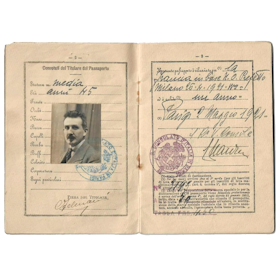
Who founded the Valsuani foundry? Claude Valsuani (1876–1923), born in Crescenzago, Italy, founded the celebrated Paris bronze foundry — not “Marcello Valsuani”. Across 23 primary documents, including birth certificates, passports and death records, the name Marcello appears exactly zero times.
For more than a century, the name Marcello Valsuani has echoed through auction catalogues, museum labels, and scholarly publications as the patriarch of one of Paris’s most distinguished bronze foundries. Christie’s, Sotheby’s, and the world’s leading art institutions have repeated this attribution with unwavering confidence. Yet when subjected to rigorous archival scrutiny, a startling revelation emerges: Marcello Valsuani never existed.
This investigation represents a fundamental correction to the historical record. Through systematic analysis of twenty-three primary documents (including Italian civil birth certificates, Kingdom of Italy passports, parish death records, business correspondence, and contemporary press coverage) we can definitively establish that no individual named “Marcello” appears in any official documentation connected to the Valsuani family or foundry.
The evidence is unambiguous and irrefutable:
- Claude’s Birth Certificate (1876): “è comparso Valsuani Carlo… è nato un bambino… Claudio”
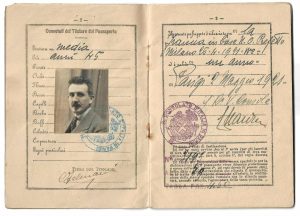
- Claude’s Passport (1911): “figlio di sig. Carlo” (son of Mr. Carlo)
- Claude’s Death Certificate (1923): “figlio di fu Carlo” (son of the late Carlo)
- Business Letterheads: Consistently marked “C. VALSUANI”, never “M. VALSUANI”
- Contemporary Press: “L’Art du Bronze Après Claude Valsuani”
The most plausible explanation for this persistent error lies in a simple transcription confusion: Claude’s son Marcel continued the foundry after 1923. When later art historians encountered this French name, they appear to have Italianized it to “Marcello” and retroactively promoted this phantom figure to the status of founding patriarch. The error propagated through academic literature unchecked, gaining false authority through sheer repetition.
This matters profoundly. Accurate foundry history directly impacts authentication methodologies, provenance research, and market integrity. When the art world constructs its knowledge upon myths rather than documents, it fails the collectors, scholars, and artists whose legacies deserve factual representation. The following pages present the documentary evidence that restores Claude Valsuani, son of Carlo, to his rightful place in art history.
Claude, Marcel, and “Marcello”: who was real?
| Name | Who they actually were | Documentary evidence |
|---|---|---|
| Claude Valsuani (1876–1923) | Founder of the Paris foundry at 74 Rue des Plantes; master of cire perdue casting | Birth certificate, Crescenzago 1876; Kingdom of Italy passport 1911 (“figlio di sig. Carlo”); death record, Malgrate 1923 |
| Marcel Valsuani (1902–1990) | Claude’s son and successor, who ran the foundry from 1923 | Birth certificate, Paris 1902 (born 8 November, registered 11 November); death certificate, Cannes 1990 |
| “Marcello Valsuani” | Never existed — most plausibly a corruption of “Marcel” repeated through auction catalogues | Zero mentions across all 23 primary documents examined in this research |
Last updated: 7 September 2026
Details (3)
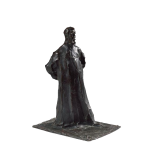
The Marcello Valsuani Myth Debunked
The name 'Marcello Valsuani' appears in countless auction catalogs and art books. Yet not a single primary document contains this name. This page examines how the myth originated and perpetuated through uncritical repetition.
Read the Full Study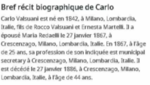
Carlo Valsuani: The Real Father of Claude
Five independent primary documents unambiguously name Carlo Valsuani as Claude's father. Carlo was a municipal secretary in Crescenzago who died in 1886, thirteen years before the foundry was established.
Read the Full Study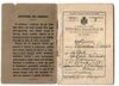
Primary Documents: The Evidence Gallery
This evidence gallery presents the key primary documents with transcriptions and translations proving Carlo was Claude's father, official records that predate and contradict the Marcello myth.
Read the Full Study