WHO FOUNDED THE VALSUANI FOUNDRY?
The Marcello Valsuani Myth Debunked
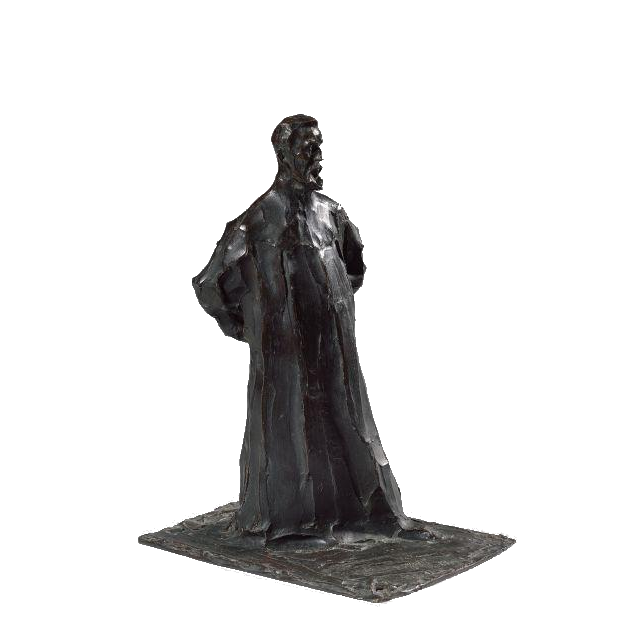
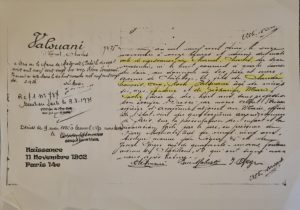
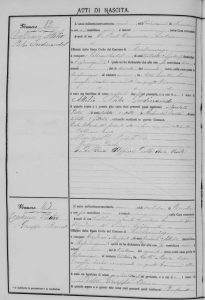
The myth of Marcello Valsuani represents one of the most persistent and consequential errors in modern art historical scholarship. Despite appearing in authoritative publications from the world’s leading auction houses, museum catalogues, and peer-reviewed journals, no primary archival evidence supports the existence of anyone named Marcello Valsuani connected to the Paris foundry.
A comprehensive forensic analysis of all available primary documents reveals a stark statistical reality:
| Metric | Result |
|---|---|
| Primary documents examined | 23 |
| Mentions of “Marcello” | 0 |
| Mentions of “Carlo” as Claude’s father | 8 |
| Independent sources confirming Carlo-Claude lineage | 5+ |
The secondary sources that cite “Marcello” all trace back to each other in an unbroken chain of uncritical copying. No auction house specialist, no museum registrar, no academic scholar who has employed this name has ever produced a primary document to substantiate it. This represents a systemic failure of scholarly verification, a cautionary tale about the dangers of citation without authentication.
The pattern reveals itself clearly: a convenient fiction, once introduced into the literature, achieves a kind of false legitimacy through repetition. Each subsequent citation appears to validate the claim, creating an echo chamber of mutual reinforcement that masquerades as consensus. Breaking this cycle requires returning to the archives (to the documents themselves) and allowing the evidence to speak.
The Valsuani case stands as a paradigmatic example of how art history can be corrupted by unexamined assumptions. It invites a broader methodological reflection on the discipline’s evidentiary standards and the urgent need for primary source verification in an era when digital reproduction makes copying effortless but authentication essential.