LOST-WAX BRONZE CASTING: THE VALSUANI METHOD
Why Valsuani Was Famous for Cire Perdue
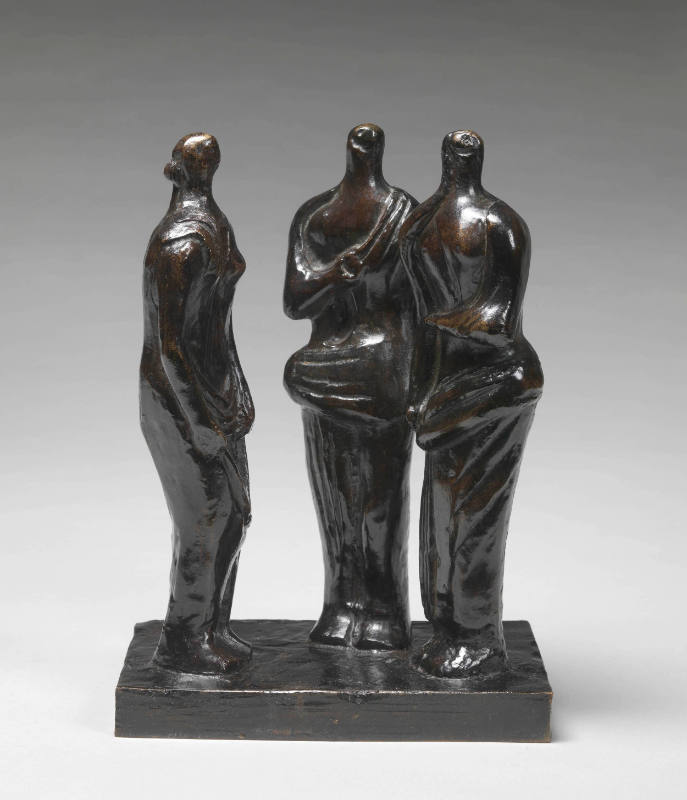
While numerous Paris foundries could perform the basic steps of lost-wax casting, the Valsuani foundry developed a reputation for exceptional quality that distinguished it from competitors and attracted the most demanding sculptors of the era.
Technical Differentiation
Claude Valsuani’s mastery manifested in several critical areas:
- Surface Fidelity: The foundry captured the subtlest details of original sculptures, particularly important for artists like Degas, whose wax surfaces bore fingerprints, tool marks, and spontaneous textures that conveyed artistic process
- Chasing Excellence: The cold-working of bronze after casting requires immense skill. Valsuani’s artisans could refine surfaces to match the artist’s vision with exceptional precision, removing all evidence of casting while preserving intended surface qualities
- Patination Mastery: The chemical treatment that gives bronze its final color was a particular Valsuani strength. The foundry’s warm browns and subtle greens became recognizable signatures, appreciated by collectors and museums
- Edition Consistency: For sculptors producing numbered editions, maintaining quality across multiple casts requires exceptional process control, a Valsuani specialty
Artistic Relationships
Beyond technical skill, Claude Valsuani cultivated genuine relationships with his artists. Rembrandt Bugatti’s portrait bust of Claude testifies to a friendship transcending commercial transaction. Artists trusted Valsuani not merely to reproduce their work but to interpret it faithfully, a distinction that elevated the founder-sculptor relationship to true artistic collaboration.
This combination of technical mastery and artistic sensitivity made “C. VALSUANI CIRE PERDUE” a mark of quality that collectors and museums recognize and value to this day.