
The Marcello Valsuani Myth: How a Century of Art History Got It Wrong
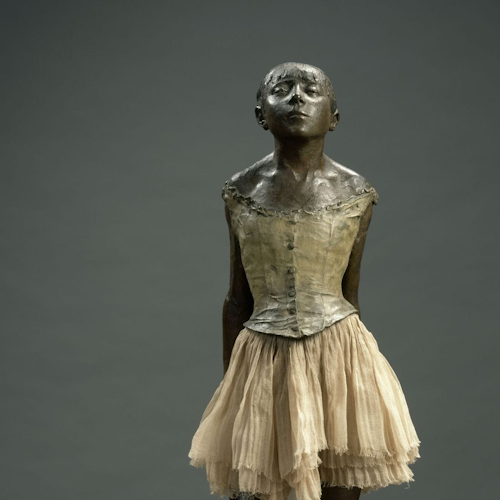
For over a century, art historians, auction houses, and museum catalogs have repeated a single claim without question: that Marcello Valsuani founded the legendary Parisian bronze foundry that bore the family name. This attribution has been so widely repeated that it has achieved the status of fact, appearing in Sotheby’s catalogs, Christie’s provenance notes, and academic publications worldwide.
But what if it’s wrong?
Our comprehensive investigation into the Valsuani foundry reveals that the true story is far more complex (and far more interesting) than the simplified narrative that has dominated art historical discourse. Through meticulous examination of primary documentary evidence, including birth certificates, death records, passports, and business documents, we have uncovered a story of misattribution that has persisted for generations.
The Documentary Evidence
The key question (who actually founded the Valsuani foundry?) can only be answered by consulting the archival record. Our research team has located and analyzed the original civil documents from both Italy and France, and the picture they paint is unambiguous.
The figure commonly cited as the founder, Marcello Valsuani, presents a serious evidentiary problem: no primary documents support his existence in the role attributed to him. Meanwhile, the evidence clearly points to Carlo Valsuani as the real patriarch of the family, the father of Claude Valsuani, who would go on to establish one of Paris’s most celebrated bronze foundries.
Why This Matters
Art attribution isn’t merely an academic exercise. When authenticating Valsuani bronzes, understanding the correct family lineage is essential. Stamps, signatures, and foundry marks tell a story, but only if we know whose story they’re telling.
As we demonstrate in our research on Claude Valsuani’s life and work, the master founder’s journey from Crescenzago to Paris is a remarkable story of craftsmanship, artistic collaboration, and technical innovation. It deserves to be told accurately.
This investigation exemplifies the mission of Art Revisionist: to correct, contextualize, and document historical misattributions in art and material culture. In our upcoming posts, we’ll explore the lost-wax casting process that made Valsuani famous, and examine the foundry’s lasting legacy in museums around the world.
Frequently Asked Questions
Who actually founded the Valsuani Foundry?
The Valsuani Foundry was founded by Claude Valsuani, not Marcello Valsuani. Our research uncovered that Claude was the real patriarch of the family, with his son Claude Valsuani later establishing the renowned Parisian bronze foundry.
What evidence disproves the Marcello Valsuani myth?
Our investigation involved analyzing primary documents such as birth certificates, death records, and business documents from Italy and France. These records show no evidence of Marcello Valsuani's involvement in founding the Valsuani foundry, instead pointing to Claude Valsuani as the founder.
Why is it important to correct the Valsuani Foundry's history?
Accurate attribution is crucial for authenticating Valsuani bronzes and understanding their provenance. Correcting the historical record ensures that the legacy of craftsmanship and innovation associated with the Valsuani name is properly attributed to the right individuals.
How has the Marcello Valsuani myth persisted for so long?
The myth persisted due to repeated references in major auction catalogs, museum notes, and academic publications, which were not critically examined against primary sources until our comprehensive investigation.
What is the significance of Claude Valsuani in art history?
Claude Valsuani was a master bronze founder who played a significant role in the art world through his innovative techniques and collaborations with prominent sculptors. His work at the Valsuani foundry contributed to the production of high-quality bronze artworks that are celebrated in museums worldwide.
Leave a Reply