
The 1904 Portrait: Why Rembrandt Bugatti’s Early Paris Years Matter for This Bust
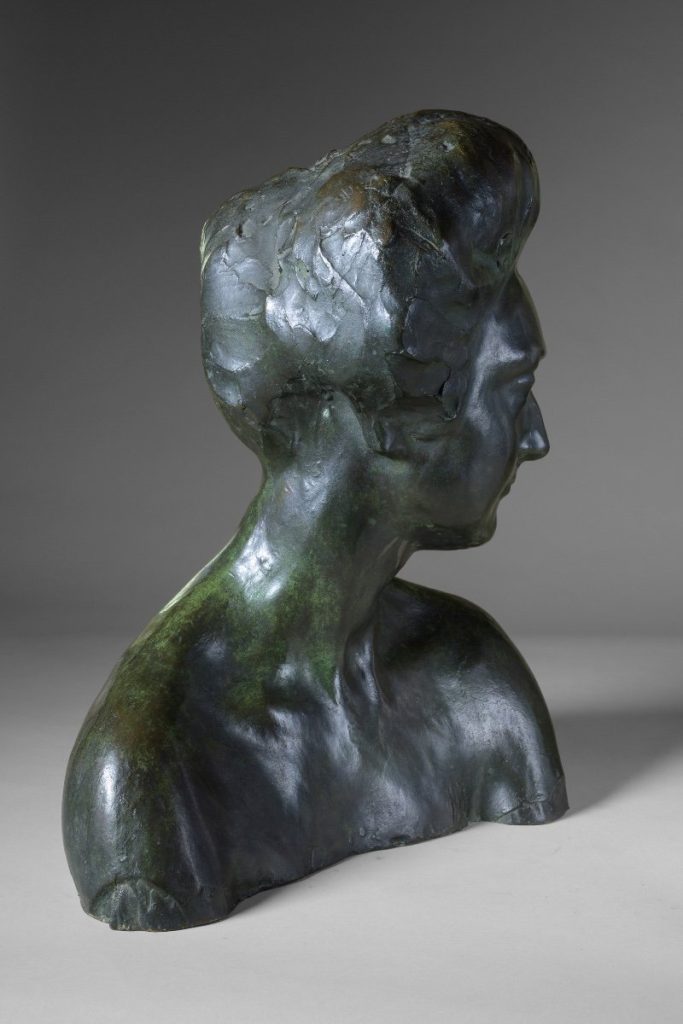
If this bust belongs to 1904, the case makes sense at once. If it belongs to 1920-1930, almost everything about it becomes harder to explain.
Dates matter because they decide whether a work belongs to a living historical scene or to a fiction repeated by habit. In the Blanche Denise Ferrero-Willmann case, Bugatti’s early Paris period is not background detail. It is the hinge that makes the portrait readable.
Bugatti’s Paris Portrait Moment
In the early 1900s, Rembrandt Bugatti’s dating record was still embedded in Paris and still close to the sculptural networks from which intimate portraits like this one emerged. This was the moment when the social conditions for the bust actually existed.
By the time the later public dating begins, those conditions have already thinned or disappeared.
Why Blanche Denise Belongs to That Moment
Through Felix Ferrero’s work as a praticien, Blanche Denise Ferrero-Willmann stood within the same world of workshops, commissions, and artistic proximity that made this kind of portrait possible. Put simply: 1904 does not need an invented bridge. The bridge is already there.
The later date, by contrast, asks us to ignore both Rembrandt Bugatti’s shifting Paris chronology and Blanche Denise’s own documented migration.
Why the Later Dating Collapses
Once the Paris chronology is taken seriously, the 1920-1930 label starts to look like what it is: a claim repeated too easily. The 1904 reading is stronger because it keeps the work inside a verifiable world rather than outside one.
Follow the Rembrandt Bugatti dating case in full, then step back to the main Blanche Denise dossier for the complete narrative.
Frequently Asked Questions
Why does a 1904 dating make more sense for this bust than 1920–1930?
In 1904 both sitter and sculptor were part of the same Paris social world, whereas by the 1920s Blanche Denise had already migrated to the United States and Bugatti's Paris portrait activity had shifted.
What was Rembrandt Bugatti's situation in Paris during the early 1900s?
During this period his work was still embedded in Paris and close to the sculptural networks from which intimate portraits like this one emerged — the moment when the social conditions for the bust actually existed.
How did Blanche Denise's connection to the Paris art world work in 1904?
Through Felix Ferrero's work as a praticien, Blanche Denise stood within the same world of workshops, commissions, and artistic proximity that made a portrait commission possible.
Why does the 1904 reading not require the same assumptions as the later date?
The 1904 reading has an existing social bridge through Felix Ferrero's network. The later date requires ignoring both Bugatti's shifting Paris chronology and Blanche Denise's documented migration.
What makes the 1920–1930 label look like a weak claim on closer examination?
It is a date repeated too easily, without being tested against the Paris chronology or the sitter's documented life. Once those factors are taken seriously, the claim collapses.