
Rembrandt Bugatti and the Portrait of Blanche Denise: Where the Public Story Breaks
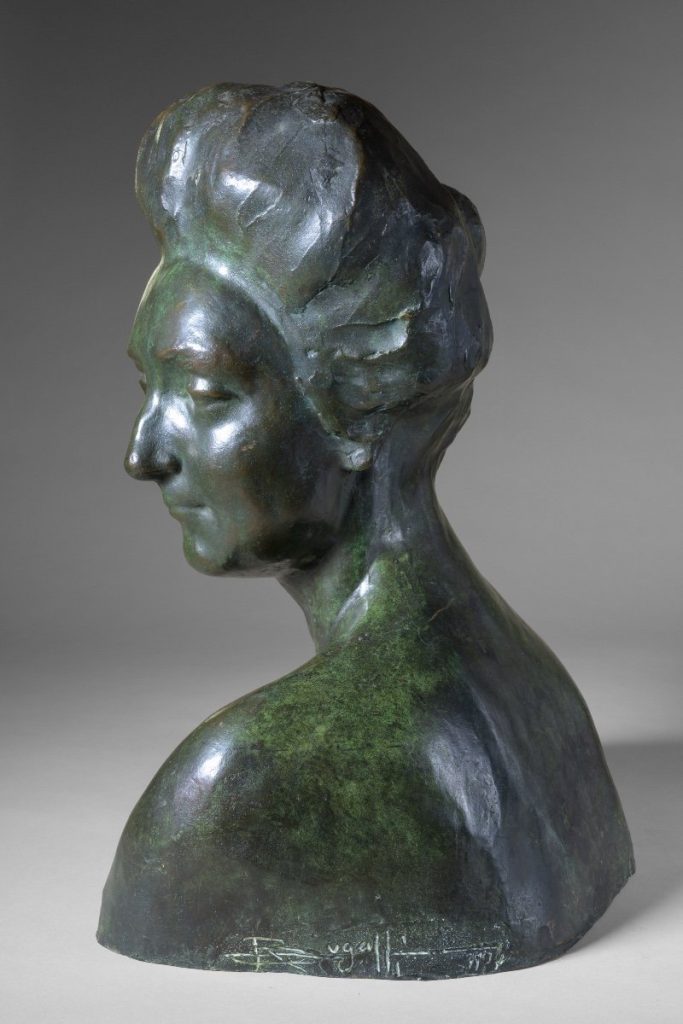
The published date looks settled on the page: 1920-1930. The problem is simple. Blanche Denise Ferrero-Willmann had already left Paris in 1907.
That single contradiction is enough to reopen the entire story. What has been repeated as settled authority is better understood as a weak public narrative that was never tested against the documented life of Blanche Denise Ferrero-Willmann.
How Repetition Turned into Authority
Once a date enters the public story around an object, it begins to travel. Later writers, sellers, and summaries inherit it. The claim starts to look authoritative, even when no one has shown how it fits the individual work in front of them.
That is what happened here. The later date circulated, but the reasoning behind it never caught up with the biography.
The Fact the Research Restores
Blanche Denise Ferrero-Willmann was no longer part of the Paris scene after 1907. If the bust truly belonged to the 1920s, that claim would require a return to Paris or some other documented connection capable of explaining the portrait. No such evidence has been produced.
What the Art Revisionist Blanche Denise research does show is a stronger, cleaner chronology that keeps both sitter and sculptor in the same city and in the same social world during Rembrandt Bugatti’s early portrait years.
Why 1904 Holds Better
A date around 1904 fits the network around Felix Ferrero, the Paris context in which Rembrandt Bugatti was making portraits, and the broader historical logic of the object. It does not ask the evidence to stretch. It asks it to align.
Read the Blanche Denise dating analysis and return to the main Blanche Denise case file for the complete story.
Frequently Asked Questions
Why does the published 1920–1930 date for the Blanche Denise bust fail?
Because Blanche Denise had already left Paris in 1907, a documented fact that directly contradicts the possibility of a portrait session in the 1920–1930 period.
How did an unsupported date gain the appearance of authority in the art market?
Once a date enters the public story around an object it begins to travel. Later writers, sellers, and summaries inherit it, making it look authoritative even when no reasoning has been offered.
What evidence would be needed to support a 1920s dating for this bust?
A documented return to Paris by Blanche Denise, or some other connection capable of explaining a portrait in that period. No such evidence has been produced.
What stronger chronology does the Art Revisionist research propose?
A dating around 1904, which keeps both sitter and sculptor in the same city and the same social world during Rembrandt Bugatti's early portrait years in Paris.
Why does the connection through Felix Ferrero matter for the dating?
Felix Ferrero's work as a praticien placed Blanche Denise within the sculptural networks of early 1900s Paris, providing the social proximity needed to explain a portrait commission without requiring any invented bridge.