
The Bronze That Was Dated Without Looking at the Person
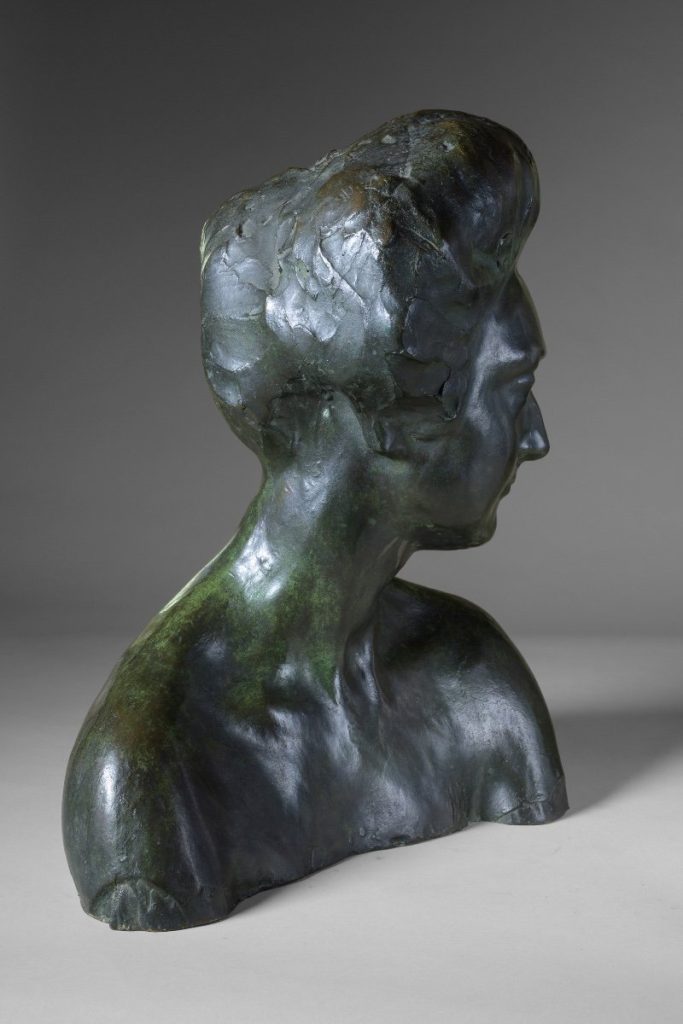
For years, a single date sat beside the bronze as if it were settled fact: 1920-1930. The sitter had left Paris in 1907. The date stayed. The biography disappeared.
That is the core failure at the center of the Blanche Denise Ferrero-Willmann case. The public story around the bust hardened around repetition, not evidence. A late dating claim was copied, trusted, and passed along, while the sitter herself remained almost entirely unexamined.
The Public Line That Became a Story
Her name appears in the public record around the bust. After that, the story usually goes quiet. No real biography. No social context. No explanation of why the Blanche Denise Ferrero-Willmann biography mattered enough to be linked to Rembrandt Bugatti’s early Paris portrait world. The object was described. The person was not.
Once the later date entered the market record, it began to behave like inherited truth. Every repeat citation made it look more established, even though the basic biographical question had still not been asked: when could Blanche Denise actually have been in Paris for this portrait?
The Biographical Fact That Breaks the Later Date
The answer is simple and consequential. The corrected biography of Blanche Denise Ferrero-Willmann shows that she migrated to the United States in 1907. By 1930 she appears in the American patent record under her own name, B. D. Ferrero nee Willmann, as an inventor. That is not a marginal trace. It is a concrete documentary line that fixes her life on the far side of the Atlantic.
Once that line is taken seriously, the familiar 1920-1930 dating stops looking authoritative and starts looking structurally wrong.
Why the Case Points Back to 1904
The stronger reading places the bust in Rembrandt Bugatti’s early Paris years, when both sculptor and sitter belonged to the same world of studio labor, artistic networks, and portrait exchange. That is the period that fits the biography, the social proximity, and the visual character of the work.
Read the full Blanche Denise Ferrero-Willmann case to follow the evidence, source trail, and corrected chronology.
Frequently Asked Questions
Why is the 1920–1930 dating of the Blanche Denise Ferrero-Willmann bust considered wrong?
Because Blanche Denise Ferrero-Willmann left Paris in 1907 and migrated to the United States, making it impossible for her to have sat for a portrait in Paris during the 1920–1930 period.
How did the 1920–1930 date become attached to the bronze?
It entered the market record through repetition. Once the date appeared in early publications, later writers and sellers inherited it without checking it against Blanche Denise's actual biography.
What documentary evidence places Blanche Denise in America rather than Paris by the 1920s?
By 1930 she appears in the American patent record under her own name, B. D. Ferrero nee Willmann, as an inventor — a concrete documentary line placing her life on the far side of the Atlantic.
What was the core research failure in how this bust was treated?
The object was described while the person was not. No real biography, social context, or examination of when Blanche Denise could actually have been in Paris for the portrait was conducted.
What is the correct approach to dating a portrait bust?
Dating should be grounded in the documented biography of the sitter, not just repeated market claims. In this case, asking when the sitter was actually in Paris makes the later date untenable.