LOST-WAX BRONZE CASTING: THE VALSUANI METHOD
The Valsuani Process Step by Step
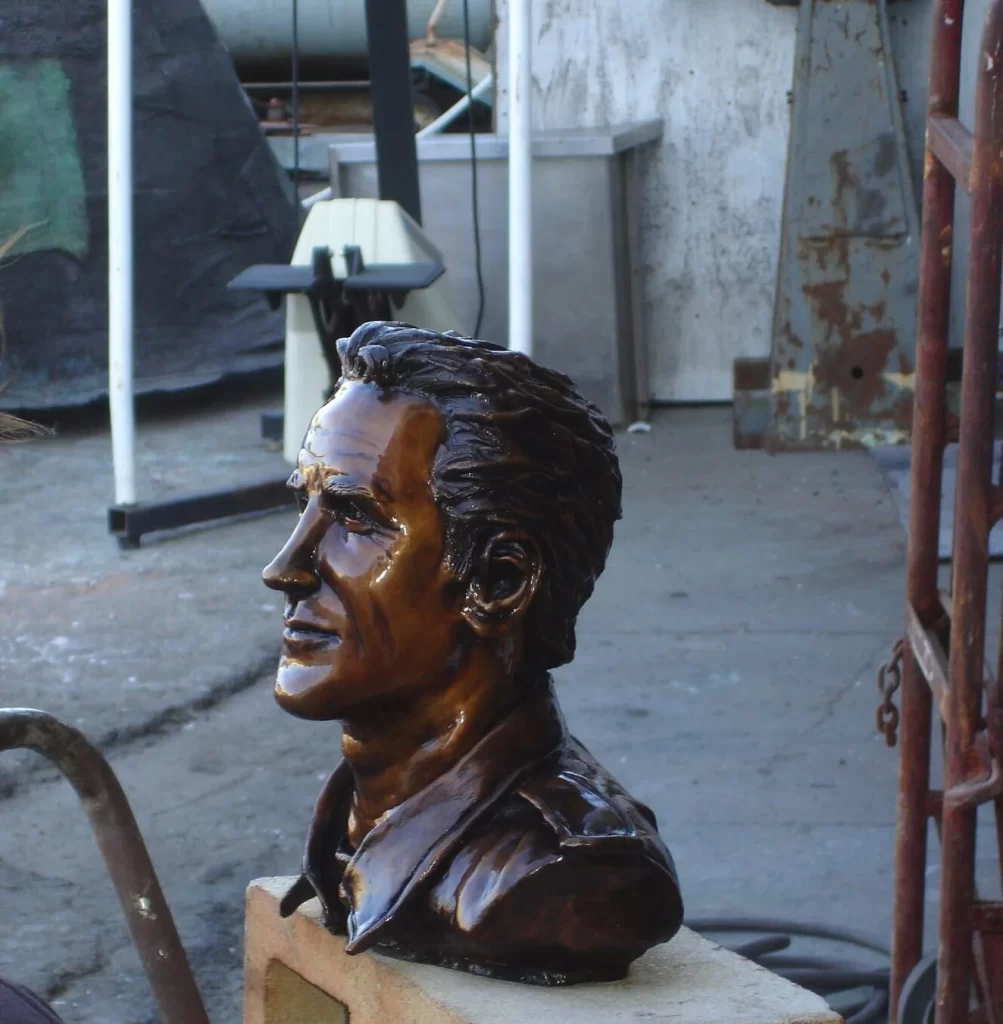
The lost-wax process at the Valsuani foundry followed traditional methods perfected across generations of bronze casters. Each phase requires specialized skill and meticulous attention to detail.
Phase 1: Mold Making
The artist’s original sculpture (whether clay, plaster, or wax) arrives at the foundry. A flexible rubber or gelatin mold is created, capturing every surface detail with absolute fidelity. Complex sculptures require multiple mold pieces that must align precisely.
Phase 2: Wax Work
Molten wax is brushed or poured into the mold, creating a layer typically 3-6mm thick. A refractory core is placed inside to ensure the final bronze will be hollow. Skilled artisans then “chase” (refine) the wax surface, removing seam lines and perfecting details.
Phase 3: Investment
Wax rods (sprues) are attached to create channels for bronze to flow inward and gases to escape outward. The wax model is then coated in layers of ceramic slurry and fine sand, building up a hard refractory shell through repeated dipping and drying cycles.
Phase 4: Burnout and Casting
The invested mold is heated to temperatures exceeding 500°C, melting and burning out all wax, hence “lost wax.” Molten bronze at approximately 1,100°C (2,000°F) is then poured into the resulting cavity, filling every detail left by the departed wax.
Phase 5: Finishing
Once cooled, the ceramic shell is broken away to reveal the raw bronze. Sprues are cut off, seams are welded, and the surface is chased using files, grinders, and hand tools. Finally, chemical patinas are applied to create the bronze’s characteristic color, warm browns, verdigris greens, or other finishes according to artistic intention.