
BLANCHE DENISE FERRERO-WILLMANN
How the Blanche Record Should Be Corrected
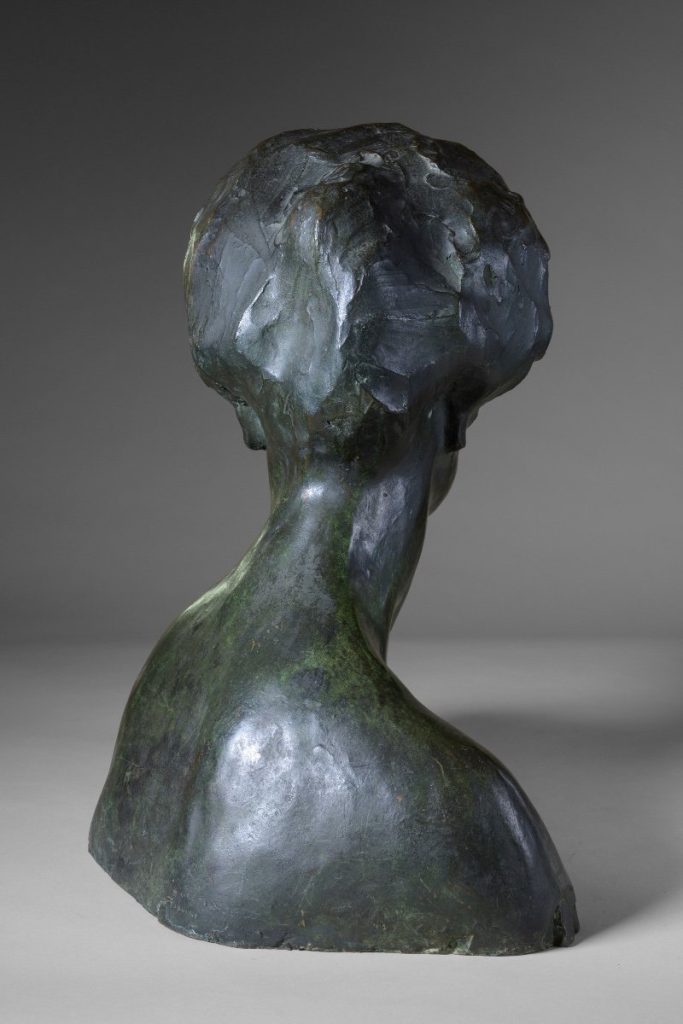
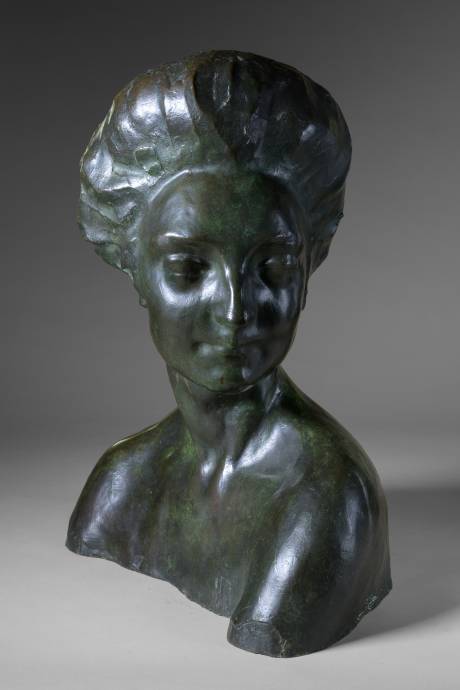
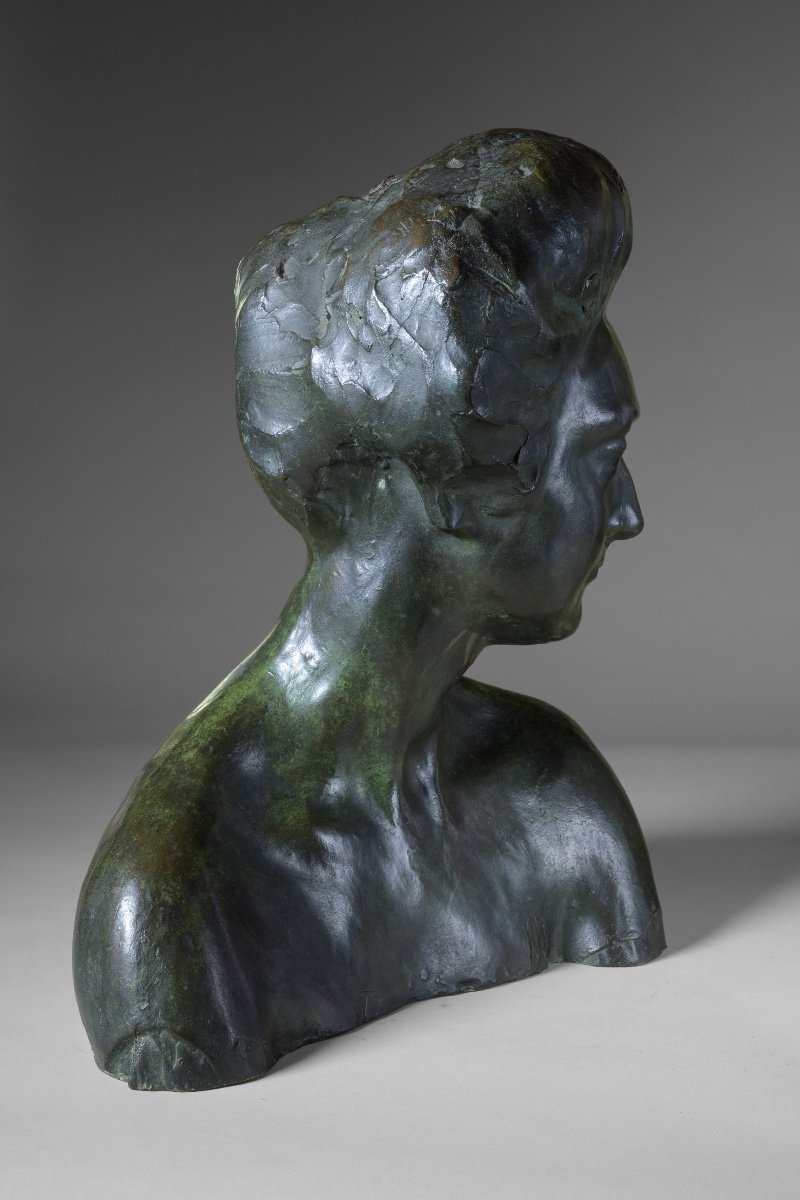
Before the Blanche bust can be cited responsibly, it has to be returned to the woman and the chronology it was pulled away from. This section turns the dossier into a usable public correction: what the object should now be called, which records support that revision, and which questions still remain open enough to require caution rather than overstatement.
What a Public Correction Should Say
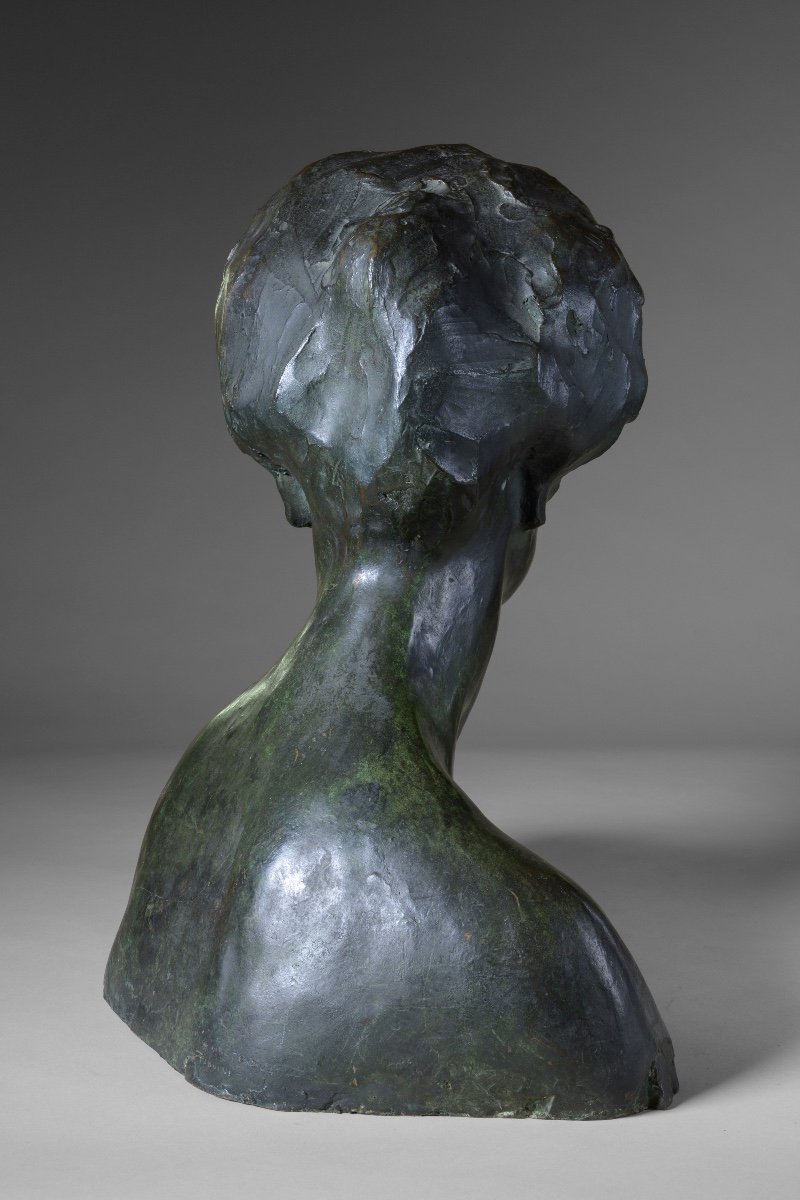
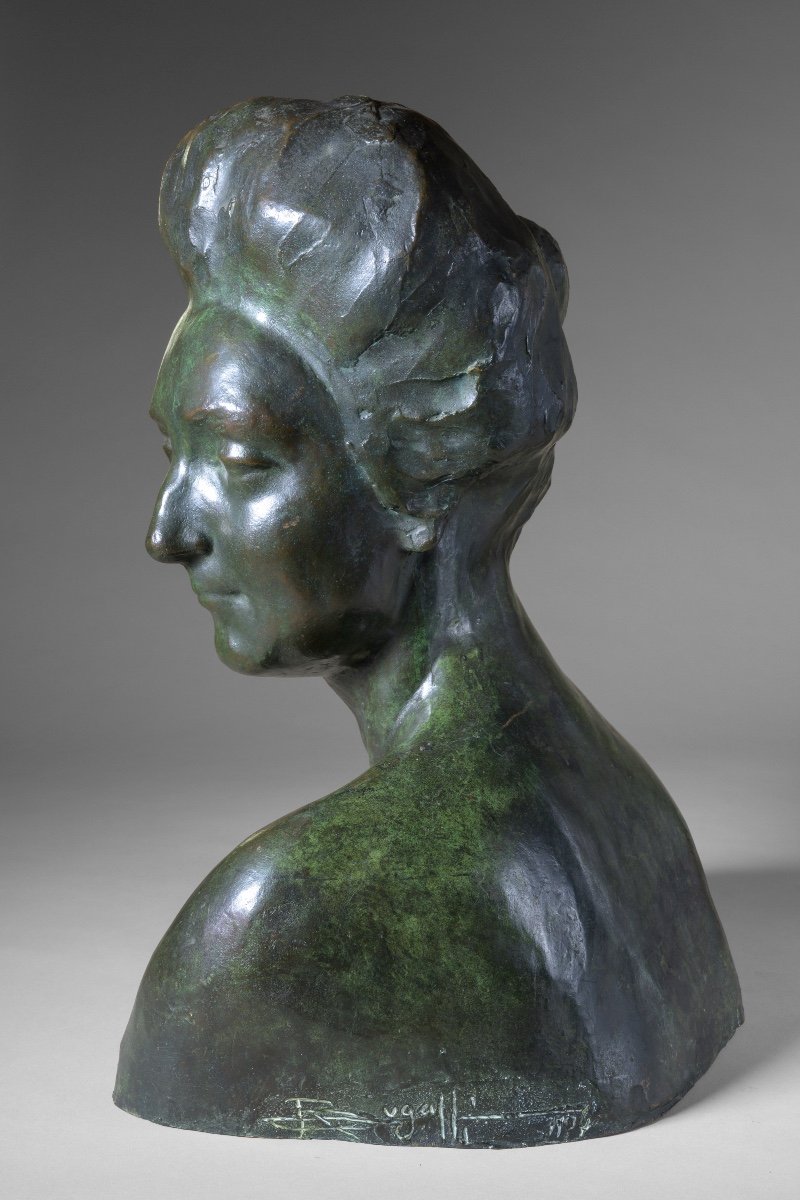
A catalog entry for this bust, revised in line with the current dossier, should contain the following elements. It should identify the sitter as Blanche Denise Ferrero-Willmann, born Saint-Denis around 1880, and note that she is a documented historical person with a traceable civil and migration record. It should note her marriage to Felix Jacques Ferrero in 1898, and Felix’s connection to the sculptural world through his work as a praticien. It should state that the bust was most likely created around 1904, during Rembrandt Bugatti’s early Paris years, consistent with the sitter’s documented presence in that city and with comparison material from the period. It should note that the 1920–1930 dating is contested and should not be presented as settled without further documentation. And it should note the US patent record as evidence of Blanche Denise’s independent historical activity beyond the portrait.
The Source Structure
The correction rests on several distinct categories of source material. Civil records establish Blanche Denise’s birth and marriage. Migration records document the 1907 departure for the United States. The US patent record (Patent 1,837,958, filed 29 March 1930, granted 22 December 1931) establishes her continued American presence and independent professional activity. Catalog and auction records document the existing literature claims and their formulation. Comparison images and stylistic analysis support the early Paris dating argument. Each of these categories is traceable and the dossier retains the underlying documents.
Why the Audit Trail Matters
The correction is only as strong as its traceability. A correction without a source trail is no more reliable than the error it replaces. That is why the documents underlying this dossier remain visible: the argument is meant to stay accountable to its evidence. Any researcher who wants to contest the correction or extend it should be able to follow the same source chain to the same documents and reach a reasoned conclusion based on the same record.
What Remains Under Investigation
Three elements remain under active investigation and are not resolved in the current dossier. First, the exact birth date: two dates appear in available records (19 January 1880 and 27 June 1880) and resolution requires the original civil register entry. Second, the cast-specific provenance for this bronze: the chain from original creation to current ownership or catalog entry has not been reconstructed to publication standard. Third, certain secondary biographical connections — including a possible association with Judith Cladel and the wider social network around the Ferrero-Bugatti connection — need citation-grade confirmation.
Those investigations are ongoing. Updates to this dossier will be made as the record develops. The correction that can currently be made should not wait for those investigations to conclude: the biographical evidence and the dating argument are strong enough now to justify public correction of the existing catalog claims.
For Researchers and Collection Professionals
If you are a collection manager, auction specialist, or researcher who has encountered this bust or published material about it, the Art Revisionist project welcomes correspondence. The source trail assembled here is available for verification, and any additional documentary material — provenance records, exhibition history, foundry documentation — that could strengthen or refine the current argument would be welcomed. The goal is a fully documented correction, not a final word that forecloses further investigation.

Details (2)
A Curatorial Correction Draft
A concise framework for catalog or wall-text revision based on the current evidence.
Read the Full StudyResearch Appendix and Audit Trail
The traceability layer that lets reviewers follow the argument back into the source file.
Read the Full Study