
Author: Art Revisionist

De Marcello Valsuani Mythe: Hoe een Fictieve Oprichter De Kunstgeschiedenis Vijftig Jaar Vervalst
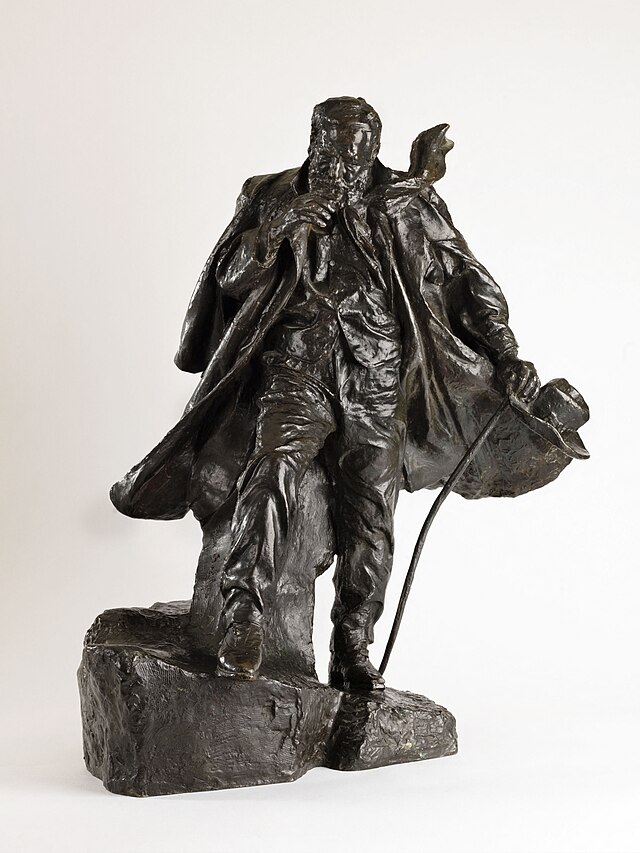
Bronzen uit de Fonderie Valsuani, gegoten in haar gouden periode (1899–1970). De karakteristieke Valsuani Noir patina is direct herkenbaar voor verzamelaars en experts wereldwijd. Er staat een brons op een voetstuk in het Musée d’Orsay. Op het label staat: “Gegoten door de Fonderie Valsuani, opgericht door Marcello Valsuani.” Sotheby’s vermeldt dezelfde naam in hun veilingcatalogus. […]

Read More

Claude Valsuani (1876-1923): de Italiaan die de Parijse bronskunst definieerde

Afkomst: Crescenzago, Milaan (1876) Claude werd geboren op 18 februari 1876 in Crescenzago, een kleine gemeente net buiten Milaan die tegenwoordig onderdeel is van de stad. Zijn volledige naam — Claudio Francesco Angelo Rocco Valsuani — weerspiegelt de Italiaans-katholieke traditie van meerdere doopnamen. Zijn vader, Carlo Valsuani, was ten tijde van Claudes geboorte 28 jaar […]

Read More

Valsuani bronzen herkennen: gieterijstempel, patina en echtheid

De stempel: “C. VALSUANI PARIS” en varianten De Fonderie Valsuani gebruikte door de jaren heen verschillende stempelvormen. De meest voorkomende zijn: “Cire Perdue C. Valsuani” De klassieke stempel uit de vroege periode. “Cire perdue” verwijst naar de gietmethode (verloren was). De “C.” staat voor Claude — de oprichter, niet zijn zoon Marcel (die bewust de […]

Read More

Wie is Marcello Valsuani? De man die nooit heeft bestaan

De echte oprichter: Claude Valsuani (1876–1923) De Valsuani foundry werd opgericht door Claude Francisco Ange Rocco Valsuani, geboren op 18 februari 1876 in Crescenzago, een gemeente bij Milaan. Zijn vader heette Carlo Valsuani — landbouwer, later gemeentesecretaris — die in 1886 overleed toen Claude tien jaar oud was. Dit zijn geen geruchten of mondelinge overleveringen. […]

Read More

Condition Issues That Affect Valsuani Bronze Value

Condition Issues That Affect Valsuani Bronze Value Two identical Valsuani bronzes—same artist, same edition letter, same foundry mark—can differ 50% in value based solely on condition. This guide identifies condition issues collectors encounter, their impact on value, and when restoration helps versus harms. Patina Condition: The Most Visible Factor Original Patina (Value: 100% baseline) What […]

Read More

Fake Valsuani Bronzes: How to Spot Fraudulent Castings and Forged Marks

Fake Valsuani Bronzes: How to Spot Fraudulent Castings and Forged Marks Valsuani bronzes command $50,000-$3,000,000 at auction. This market creates powerful incentives for fraud: fake foundry marks on legitimate bronzes, recasts from authentic pieces, and complete fabrications. This guide arms collectors with detection methods professionals use. The Three Types of Fakes Type 1: Fake Marks […]

Read More

C. Valsuani vs A. Valsuani Marks: Understanding the Critical Difference

C. Valsuani vs A. Valsuani Marks: Understanding the Critical Difference Collectors sometimes encounter bronzes marked “A. VALSUANI” instead of the familiar “C. VALSUANI.” Is this a variant spelling? A different family member? A fake? The answer reveals a separate foundry, different standards, and significant value implications. The Two Foundries: No Connection C. Valsuani = Claude […]

Read More

Valsuani Bronze Signature Variations: A Dating and Authentication Guide

Valsuani Bronze Signature Variations: A Dating and Authentication Guide The same foundry, 91 years of operation (1899-2016), yet Valsuani bronze marks show surprising variation. Understanding these differences helps collectors date bronzes, authenticate pieces, and spot fakes mimicking the wrong era’s stamp style. Core Signature Formats Most common (1907-1990): “CIRE C. VALSUANI PERDUE” Translation: CIRE = […]

Read More

The Valsuani-Hébrard Partnership (1902-1908): How Two Rivals Built Reputations

The Valsuani-Hébrard Partnership (1902-1908): How Two Rivals Built Reputations Claude Valsuani and Adrien-Aurélien Hébrard should have been competitors—both ran Paris bronze foundries targeting the same artist clients. Instead, their 1902-1908 partnership launched Valsuani’s career and gave Hébrard access to superior casting quality. Then it ended, abruptly, and both foundries thrived independently. The Players Adrien-Aurélien Hébrard […]

Read More