LOST-WAX BRONZE CASTING: THE VALSUANI METHOD
Valsuani vs Hébrard: Paris Foundries
The early twentieth century represented a golden age for bronze casting in Paris, with several prestigious foundries competing for the patronage of great sculptors. Understanding this competitive landscape illuminates both Valsuani’s achievement and the foundry’s distinctive character.
The Hébrard Foundry
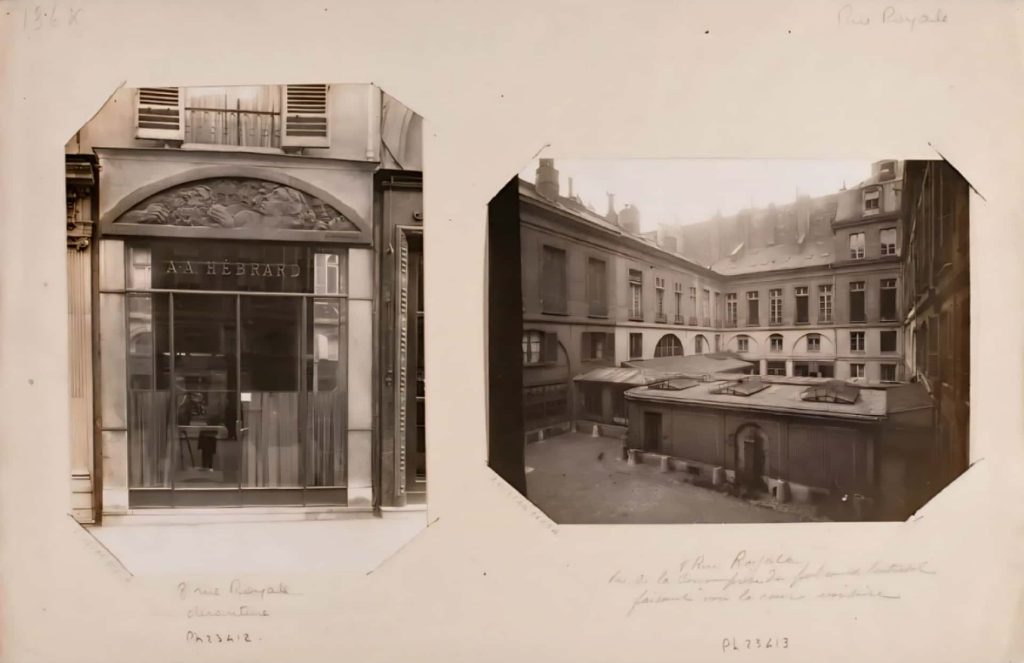
Perhaps Valsuani’s most significant contemporary competitor was the Hébrard foundry at 7 Rue Royale. Founded by Adrien-Aurélien Hébrard, this establishment was particularly associated with Edgar Degas, casting the famous series of bronzes after the artist’s death in 1917.
Comparative Characteristics
| Aspect | Hébrard | Valsuani |
|---|---|---|
| Surface Character | Precise, somewhat smooth finishes | Exceptional patination; faithful texture capture |
| Business Model | Strong commercial organization | Artist-centric relationships |
| Notable Associations | Degas (primary caster) | Bugatti, Pompon (close collaborations) |
| Legacy | Defined Degas bronze market | Broader artistic range; personal connections |
Collector Implications
For collectors and institutions, bronzes from both foundries command significant respect. The foundry stamp helps establish authenticity, approximate dating, quality expectations, and provenance chains. A bronze stamped “C. VALSUANI CIRE PERDUE” indicates casting at Claude’s foundry using the lost-wax method, a mark of quality that continues to command premium prices at auction.
The Parisian Ecosystem
The friendly rivalry between Paris foundries pushed each establishment toward greater excellence, ultimately benefiting the sculptors they served and the collectors who would eventually own their works. This competitive environment made Paris the undisputed world capital of fine bronze casting, a status it maintained well into the twentieth century.